Most dental plans reset the annual maximum and the deductible on January 1, and benefit you did not use this year does not roll over. Money in a flexible spending account often expires at year end too. The fix is simple: a checkup in November, a written pre-treatment estimate, and any treatment booked before December fills.
What happens to dental benefits on December 31?
If you have dental insurance, the benefit you did not use this plan year usually disappears when the year closes, and a fresh one starts the next morning.
That sounds like a fresh start, but any work you put off now starts over against a new deductible in January. For many adults in Plano, the last two months of the year are a good time to use benefit you have already paid for.
Which benefits expire and which carry over?
Not every source of dental money follows the same calendar, so it helps to know which ones have a deadline and which ones can wait.
Your dental money at year end, side by side
Rules vary by employer and by plan. Use this as a guide, then confirm with your plan or our front desk.
| Feature | Dental plan annual maximum | FSA | HSA | Cherry or CareCredit |
|---|---|---|---|---|
| Resets on January 1? | Usually, unless your plan year differs | Usually, at the end of the plan year | No | No, it is a payment plan, not a benefit |
| Unused money carries over? | No | Many FSAs expire at year end; some employers allow a short grace period or a small carry-over, so check your plan | Yes, the balance stays in your account | Not applicable |
| What it pays for | Covered treatment, at the share your plan sets | Most dental treatment that is not cosmetic | Most dental treatment that is not cosmetic | Treatment you choose to pay over time, subject to credit approval |
| How to check | Call us with your member ID, or log in to your insurer | Your employer benefits portal | Your HSA provider | Ask us when you get your written quote |
The two columns with a deadline are the plan maximum and the FSA. Those are the ones to use first. | ||||
What should I use my remaining benefit on first?
Start with what keeps small problems small, then move to the work you have been meaning to finish.
- Your checkup and cleaning in Plano. Preventive visits are often covered in full by PPO plans, and the exam tells you what else is worth doing before the year ends. If it has been more than six months, this is the visit to book first.
- A filling you have been putting off. A small cavity is usually quicker and simpler to treat now than after it grows over the winter. For some small cavities, drill-free options such as air abrasion or resin infiltration may be possible.
- A crown on a cracked tooth. Most of our same‑day crowns are scanned, designed, milled and cemented in a single appointment, which helps when the calendar is tight. A crack tends to spread with chewing, so waiting rarely makes the repair smaller.
- A night guard if you grind. We scan your teeth and make the guard from that scan, and many plans pay part of it. A guard protects your teeth and any crowns or fillings you already have.
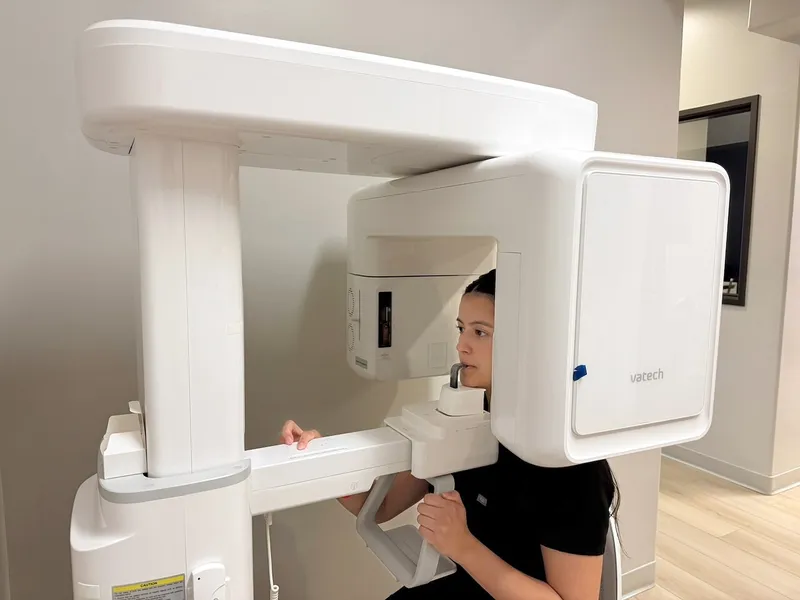
- Wisdom teeth over the winter break. A teen or college student on your plan has benefit of their own that resets too. Wisdom teeth removal is planned on a 3D scan first, and the break leaves time to heal before classes start.
- The first stage of larger treatment. Starting dental implants now may let this year's benefit cover the first phase, depending on your plan, with later stages drawing on next year's. Orthodontic benefits for Invisalign usually work differently, so ask us to check.
Dr. Tam will tell you which items are urgent and which can wait, so you are not rushing into work you do not need.
Can treatment be split across two plan years?
Often, yes. When a plan has a yearly cap, spreading staged treatment across December and January can let two years of benefit share the cost.
How phasing works
The idea is to finish one clinical stage this plan year and start the next stage after January 1, when your maximum resets.
- Root canal and crown: when your dentist agrees a short wait is safe, the root canal can fall in December and the crown in January. A treated back tooth should not wait long for its crown. If you are weighing your options, see root canal vs extraction.
- Implant post and crown: the post placed this year, the crown attached next year after the bone has healed. Healing usually takes a few months anyway, so the timing fits.
- Invisalign: start treatment now, and your aligners continue into the new plan year. Orthodontic benefits are often paid in stages, so ask how your plan handles it.
- Deep cleaning: treated one or two quadrants at a time, split across the two years. This keeps each visit shorter and spreads the cost.
Phasing only works when it is also good care, so the clinical timing always comes first. Plans differ in how they pay for staged work, which is why a written estimate matters.
How do I find out what I have left?
You do not have to call your insurer and wait on hold. Five steps get you a clear answer and a plan.
Five steps to use your benefits before the year ends
Most patients finish the first three in a single phone call.
- 01Find your plan card
Your member ID and group number are usually on the front. If you have no card, your employer benefits portal or your HR team can give you both numbers.
- 02Call us with your member ID
Call 972-265-9033 and we check your remaining benefit and deductible for you, so you know where you stand. Have your FSA or HSA details handy as well.
- 03Book your checkup
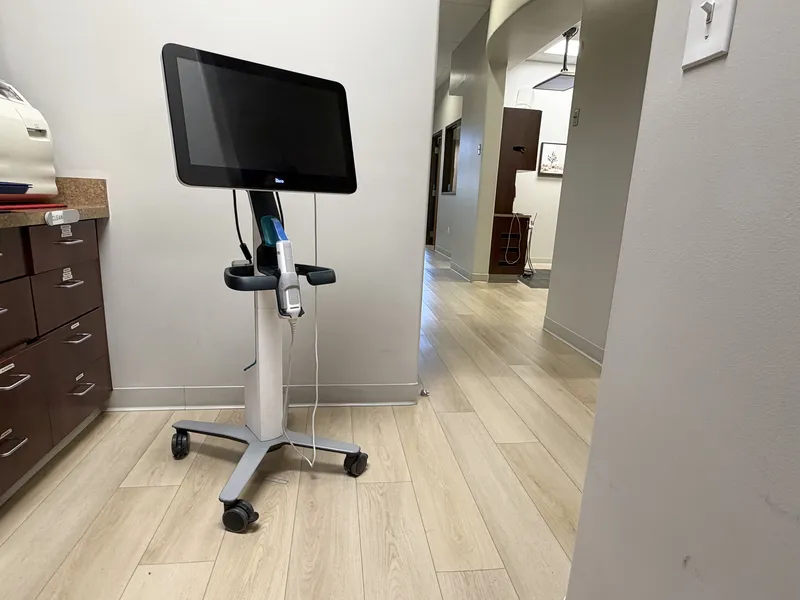
The exam and X‑rays show what needs care now and what can wait until next year. An iTero scan records your teeth without putty impressions if a crown or guard is needed.
- 04Ask for a written pre-treatment estimate
We send the plan to your insurer before work begins, so you see your plan's share and your own share in writing. That way there are fewer surprises in January. An estimate is not a guarantee of payment.
- 05Pick dates before the holidays
Choose appointments in November or early December, while there is still room on the schedule. Early morning and lunch slots tend to go first.
Why does December fill so fast at a dental office?
Because many people remember their benefits at the same time, usually after Thanksgiving. Holiday travel, school breaks and office closures also shrink the number of open days.
What if I have no dental insurance?
Then there is no deadline to beat, but an HSA or FSA may still help, and the timing of your care still matters to your health.
Cherry, our main payment plan, or CareCredit lets you pay over time, subject to credit approval. You get a written quote before treatment either way.
Our insurance and financing page explains the options, and our guide to affordable dental care in Plano covers ways to keep costs down.
What is the next step?
If you have benefit left this plan year, or treatment you keep meaning to schedule, the next step is a checkup and a written estimate before December fills.
Call Custerpoint Family Dental at 972-265-9033 or book a visit at our office on Custer Road in Plano. Directions and parking are on our Plano location page.